 Santé
Santé
Magnésium apaisant (bisglycinate de magnésium)
Le magnésium est un minéral important pour le bon fonctionnement de l'organisme. Le nom « magnésium » vient de la ville grecque de Magnésie, où cet élément a été découvert en 1755. C'est le 8e élément le plus répandu sur Terre, représentant environ 2 % de la croûte terrestre. Il a un goût naturellement acide, qui se retrouve également dans les eaux minérales. On le trouve dans chaque cellule des plantes vertes (les ions de magnésium sont présents) ainsi que dans chaque cellule du corps humain. Notre organisme a besoin de magnésium pour plus de 300 processus biochimiques,tels que la production d'énergie et la synthèse des acides nucléiques, le maintien d'un rythme cardiaque et d'une pression artérielle normaux. Il serait difficile de trouver un processus dans le corps sur lequel le magnésium n'a pas d'influence.
 Santé
Santé
Le magnésium : le minéral le plus important ?
Si vous demandez à n'importe quel sportif (en particulier ceux qui pratiquent des sports d'endurance) quel complément alimentaire il emporte toujours avec lui lors des compétitions, la réponse la plus fréquente sera « du magnésium ». Le magnésium est en effet l'un des derniers minéraux dont notre corps a besoin. Il s'agit d'un minéral dit « déficitaire », car nous l'éliminons de notre corps en cas d'effort excessif, mais aussi lorsque nous ne faisons pas d'exercice ! Il suffit de vivre dans le bruit, le stress, la fatigue...
Le vinaigre de cidre est l'un des produits naturels les plus populaires, avec de nombreux bienfaits pour la santé. Depuis des siècles, le vinaigre de cidre est recherché pour ses effets sur la santé, notamment pour faciliter la digestion, réguler le poids, maintenir un taux de glycémie stable et améliorer la santé cardiovasculaire.
 Immunité et vitalité
Le vinaigre de cidre, … pas seulement pour les mannequins
Le vinaigre de cidre est l'un des produits naturels les plus populaires, avec de nombreux bienfaits pour la santé. Depuis des siècles, le vinaigre de cidre est recherché pour ses effets sur la santé, notamment pour faciliter la digestion, réguler le poids, maintenir un taux de glycémie stable et améliorer la santé cardiovasculaire.
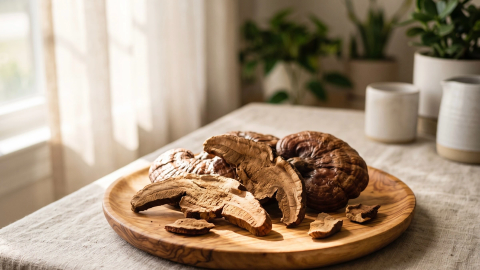
Le reishi, un champignon utilisé depuis déjà 4000 ans. Le champignon divin de l'immortalité - dans le passé, on croyait qu'il pouvait même ressusciter les morts. Il occupe une place importante notamment dans la médecine chinoise (sous le nom de lingzhi), où il est mentionné par écrit dès 200 ans avant Jésus-Christ. Une armée entière a été mobilisée pour la rechercher, car la cour impériale chinoise croyait qu'elle pouvait être utilisée pour concocter un élixir d'immortalité. Son nom slovaque ne vous dira probablement pas grand-chose : Leskokôrovka hnedočervená est en fait un champignon parasite xylophage qui vit principalement sur les arbres blessés. Il possède un large spectre de substances biologiques. Ses effets sont également décrits dans l'encyclopédie spécialisée Huby ako .
 Immunité et vitalité
Reishi - le champignon de l'immortalité
Le reishi, un champignon utilisé depuis déjà 4000 ans. Le champignon divin de l'immortalité - dans le passé, on croyait qu'il pouvait même ressusciter les morts. Il occupe une place importante notamment dans la médecine chinoise (sous le nom de lingzhi), où il est mentionné par écrit dès 200 ans avant Jésus-Christ. Une armée entière a été mobilisée pour la rechercher, car la cour impériale chinoise croyait qu'elle pouvait être utilisée pour concocter un élixir d'immortalité. Son nom slovaque ne vous dira probablement pas grand-chose : Leskokôrovka hnedočervená est en fait un champignon parasite xylophage qui vit principalement sur les arbres blessés. Il possède un large spectre de substances biologiques. Ses effets sont également décrits dans l'encyclopédie spécialisée Huby ako .
Imaginez que votre corps est une usine qui fonctionne à plein régime (pour assurer l'énergie, la croissance, la réparation des cellules) et que le fer est le carburant qui la fait fonctionner. Si les réserves de fer s'épuisent rapidement, vous pouvez ressentir une faiblesse, des palpitations cardiaques ou une pâleur de la peau. Les symptômes d'une carence en fer sont des ongles cassants, des cheveux secs, un essoufflement, des troubles du sommeil, une baisse de concentration, des extrémités froides, une fréquence accrue d'infections et une anémie (manque de globules rouges causé par une quantité trop faible de fer dans l'organisme) qui se manifeste par une fatigue extrême. En cas d'anémie, le corps n'est pas suffisamment alimenté en oxygène et s'épuise rapidement. La formation d'ecchymoses peut également être un signe de carence en fer, car ce minéral est important dans la formation de l'hémoglobine, qui favorise le bon fonctionnement des plaquettes sanguines.
 Immunité et vitalité
Le fer : le secret de votre santé et de votre énergie
Imaginez que votre corps est une usine qui fonctionne à plein régime (pour assurer l'énergie, la croissance, la réparation des cellules) et que le fer est le carburant qui la fait fonctionner. Si les réserves de fer s'épuisent rapidement, vous pouvez ressentir une faiblesse, des palpitations cardiaques ou une pâleur de la peau. Les symptômes d'une carence en fer sont des ongles cassants, des cheveux secs, un essoufflement, des troubles du sommeil, une baisse de concentration, des extrémités froides, une fréquence accrue d'infections et une anémie (manque de globules rouges causé par une quantité trop faible de fer dans l'organisme) qui se manifeste par une fatigue extrême. En cas d'anémie, le corps n'est pas suffisamment alimenté en oxygène et s'épuise rapidement. La formation d'ecchymoses peut également être un signe de carence en fer, car ce minéral est important dans la formation de l'hémoglobine, qui favorise le bon fonctionnement des plaquettes sanguines.
Outre les suppléments, le fonctionnement et les divers compléments, notre corps a besoin à 100 % de ce que l'on appelle les substances à l'état de traces. Le terme "traces" signifie que notre corps n'en a besoin qu'en petites quantités. Nous avons besoin de 10 mg de zinc par jour, ce qui est 37 fois moins que le magnésium (375 mg). On pourrait croire qu'il s'agit d'un produit totalement inutile. Pourtant, c'est le contraire qui est vrai. Le zinc agit sur plus de 200 réactions biochimiques dans notre corps !
 Santé
Santé
Le zinc : le remède contre la fatigue
Outre les suppléments, le fonctionnement et les divers compléments, notre corps a besoin à 100 % de ce que l'on appelle les substances à l'état de traces. Le terme "traces" signifie que notre corps n'en a besoin qu'en petites quantités. Nous avons besoin de 10 mg de zinc par jour, ce qui est 37 fois moins que le magnésium (375 mg). On pourrait croire qu'il s'agit d'un produit totalement inutile. Pourtant, c'est le contraire qui est vrai. Le zinc agit sur plus de 200 réactions biochimiques dans notre corps !
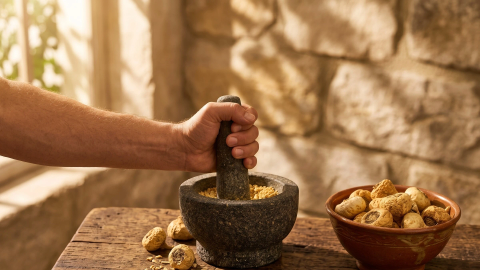
Depuis la nuit des temps, les hommes ont cherché à trouver des herbes et des champignons miraculeux qui favorisent la santé, guérissent les maladies mortelles et stimulent la virilité. Chaque culture a ses aphrodisiaques éprouvés. Chez nous, ce sont surtout les huîtres ou le chocolat qui sont connus. Ces derniers temps, notamment avec le développement du tourisme, nous découvrons progressivement d'autres stimulants utilisés par des personnes vivant souvent à l'autre bout du monde. L'une des plus anciennes substances favorisant la virilité est la maca péruvienne.
 Immunité et vitalité
La maca – le ginseng péruvien
Depuis la nuit des temps, les hommes ont cherché à trouver des herbes et des champignons miraculeux qui favorisent la santé, guérissent les maladies mortelles et stimulent la virilité. Chaque culture a ses aphrodisiaques éprouvés. Chez nous, ce sont surtout les huîtres ou le chocolat qui sont connus. Ces derniers temps, notamment avec le développement du tourisme, nous découvrons progressivement d'autres stimulants utilisés par des personnes vivant souvent à l'autre bout du monde. L'une des plus anciennes substances favorisant la virilité est la maca péruvienne.
Si vous êtes actif sur les réseaux sociaux, vous connaissez certainement déjà le terme « chardon-Marie ». C'est le phénomène de l'année 2024, les publicités pour cette « plante miracle » sont omniprésentes. Contrairement à d'autres compléments alimentaires, personne ne remet en question les effets de cette plante. Seules les opinions sur les différents produits et leurs modes de fabrication divergent. En quoi réside le miracle de cette plante ?
 Santé
Santé
Le chardon-Marie et le foie
Si vous êtes actif sur les réseaux sociaux, vous connaissez certainement déjà le terme « chardon-Marie ». C'est le phénomène de l'année 2024, les publicités pour cette « plante miracle » sont omniprésentes. Contrairement à d'autres compléments alimentaires, personne ne remet en question les effets de cette plante. Seules les opinions sur les différents produits et leurs modes de fabrication divergent. En quoi réside le miracle de cette plante ?
Vous n'avez pas encore entendu parler de ce champignon fascinant à l'apparence et au mode de vie particuliers ? Les noms « chenille chinoise », « or de l'Himalaya » ou « champignon de la longévité » ne révèlent pas grand-chose...
 L'énergie
Le Cordyceps sinensis et son cycle de vie incroyable
Vous n'avez pas encore entendu parler de ce champignon fascinant à l'apparence et au mode de vie particuliers ? Les noms « chenille chinoise », « or de l'Himalaya » ou « champignon de la longévité » ne révèlent pas grand-chose...
Vous connaissez certainement ce sentiment lorsque vous vous sentez menacé. Un gros chien s'est précipité sur vous derrière la clôture, votre patron vous a foncé dessus lors d'une réunion et vous a transporté sous terre, ou votre prêt hypothécaire arrive à échéance demain et vous venez d'être licencié. Dans de tels cas, l'organisme produit une hormone stéroïde, le cortisol. Cette hormone nous protège déjà dans les situations dangereuses et le corps se prépare à la position "combat ou fuite". Le cœur bat la chamade, le sang se précipite vers les organes vitaux, la douleur s'estompe... Vous vous dites : la chose la plus utile sous le soleil !
 Santé
Santé
L'ashwagandha : un régulateur du cortisol
Vous connaissez certainement ce sentiment lorsque vous vous sentez menacé. Un gros chien s'est précipité sur vous derrière la clôture, votre patron vous a foncé dessus lors d'une réunion et vous a transporté sous terre, ou votre prêt hypothécaire arrive à échéance demain et vous venez d'être licencié. Dans de tels cas, l'organisme produit une hormone stéroïde, le cortisol. Cette hormone nous protège déjà dans les situations dangereuses et le corps se prépare à la position "combat ou fuite". Le cœur bat la chamade, le sang se précipite vers les organes vitaux, la douleur s'estompe... Vous vous dites : la chose la plus utile sous le soleil !
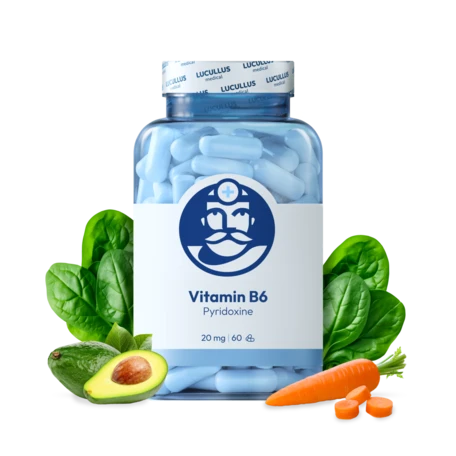
Outre le mélange de vitamines B bien connu B-Komplex, des vitamines individuelles peuvent également être achetées sous forme de sel. A quoi cela sert-il ? Le mélange bien connu de vitamines B est un bon complément nutritionnel, si vous avez une carence globale en vitamines dans l'organisme. Toutefois, si vous n'êtes pas confronté à un problème spécifique, il est parfois plus judicieux d'utiliser le type de vitamine spécifique dont vous avez besoin. Pourquoi la vitamine B2 est-elle nécessaire ?
 L'énergie
Vitamine B2 (riboflavine)
Outre le mélange de vitamines B bien connu B-Komplex, des vitamines individuelles peuvent également être achetées sous forme de sel. A quoi cela sert-il ? Le mélange bien connu de vitamines B est un bon complément nutritionnel, si vous avez une carence globale en vitamines dans l'organisme. Toutefois, si vous n'êtes pas confronté à un problème spécifique, il est parfois plus judicieux d'utiliser le type de vitamine spécifique dont vous avez besoin. Pourquoi la vitamine B2 est-elle nécessaire ?
La vitamine B1 appartient aux groupes B1 à B12, que nous désignons sous le nom commun de complexe B. Sous ce nom, il faut ajouter toutes les vitamines de ce groupe. Mais ai-je besoin de toutes ces vitamines ? Vous avez besoin de tout le groupe - les vitamines les plus importantes du groupe B peuvent être obtenues séparément.
 L'énergie
Vitamine B1 (thiamine)
La vitamine B1 appartient aux groupes B1 à B12, que nous désignons sous le nom commun de complexe B. Sous ce nom, il faut ajouter toutes les vitamines de ce groupe. Mais ai-je besoin de toutes ces vitamines ? Vous avez besoin de tout le groupe - les vitamines les plus importantes du groupe B peuvent être obtenues séparément.
Dans un vieux film, la grand-mère ou le grand-père fait boire aux enfants une cuillerée d'huile de poisson tous les matins. Les enfants détestent, le goût est dégoûtant. "Mais vous serez en bonne santé", disent les grands-parents bienveillants. D'où vient cette phrase ? C'est toujours vrai aujourd'hui, sauf que la science a réussi à transformer l'huile de poisson miraculeuse en comprimés ou en extraits "ordinaires" sans goût normal.
 Santé
Santé
Les oméga-3 protègent votre système cardiovasculaire
Dans un vieux film, la grand-mère ou le grand-père fait boire aux enfants une cuillerée d'huile de poisson tous les matins. Les enfants détestent, le goût est dégoûtant. "Mais vous serez en bonne santé", disent les grands-parents bienveillants. D'où vient cette phrase ? C'est toujours vrai aujourd'hui, sauf que la science a réussi à transformer l'huile de poisson miraculeuse en comprimés ou en extraits "ordinaires" sans goût normal.
Le matin, le réveil sonne. Ma première pensée ne va pas vers cette nouvelle journée, mais vers la machine à expresso. À deux heures de l’après-midi, le fameux coup de barre s’installe, ce qui m’amène à prendre une deuxième, voire une troisième tasse. Mais au lieu d’un élan de créativité et de vivacité d’esprit, je ne ressens qu’un battement de cœur accéléré, un léger tremblement des doigts et cet étrange mélange où le corps est tendu tandis que le cerveau reste plongé dans un épais brouillard.
 L'énergie
Que faire quand vous êtes à court d'énergie et que le café ne vous aide plus ?
Le matin, le réveil sonne. Ma première pensée ne va pas vers cette nouvelle journée, mais vers la machine à expresso. À deux heures de l’après-midi, le fameux coup de barre s’installe, ce qui m’amène à prendre une deuxième, voire une troisième tasse. Mais au lieu d’un élan de créativité et de vivacité d’esprit, je ne ressens qu’un battement de cœur accéléré, un léger tremblement des doigts et cet étrange mélange où le corps est tendu tandis que le cerveau reste plongé dans un épais brouillard.
Quand on parle de soins du corps, la plupart d’entre nous pensent automatiquement au magnésium, à la vitamine C, au zinc ou au collagène. Il existe cependant un élément clé qui représente environ 0,25 % de notre masse corporelle totale, mais dont on oublie souvent de parler dans les discussions courantes sur la santé : le soufre organique.
 Santé
Santé
Un minéral oublié, source de beauté et d'activité physique. Pourquoi notre corps en a-t-il davantage besoin que nous ne le pensons ?
Quand on parle de soins du corps, la plupart d’entre nous pensent automatiquement au magnésium, à la vitamine C, au zinc ou au collagène. Il existe cependant un élément clé qui représente environ 0,25 % de notre masse corporelle totale, mais dont on oublie souvent de parler dans les discussions courantes sur la santé : le soufre organique.
Vous connaissez cette sensation ? Le matin, vous sortez de chez vous, un épais brouillard vous accueille, un vent froid vous « s’engouffre » désagréablement sous le manteau et, dans le tram ou au bureau, on entend déjà les premières toux de toutes parts. L’automne et l’hiver ont un charme indéniable : les pulls chauds, les soirées sous la couverture et le feu qui crépite. Mais pour notre organisme, c’est une période qui met nos défenses à rude épreuve.
 Immunité et vitalité
Comment préparer son corps à l'arrivée du temps maussade : 5 rituels quotidiens pour renforcer son système immunitaire
Vous connaissez cette sensation ? Le matin, vous sortez de chez vous, un épais brouillard vous accueille, un vent froid vous « s’engouffre » désagréablement sous le manteau et, dans le tram ou au bureau, on entend déjà les premières toux de toutes parts. L’automne et l’hiver ont un charme indéniable : les pulls chauds, les soirées sous la couverture et le feu qui crépite. Mais pour notre organisme, c’est une période qui met nos défenses à rude épreuve.
Vous vous efforcez de boire consciencieusement les deux à trois litres d'eau recommandés par jour, mais malgré cela, vous vous sentez fatigué l'après-midi, votre corps est raide et votre peau semble terne et sans vie ?
 Immunité et vitalité
Le secret de l'hydratation cellulaire et du redémarrage matinal de l'organisme
Vous vous efforcez de boire consciencieusement les deux à trois litres d'eau recommandés par jour, mais malgré cela, vous vous sentez fatigué l'après-midi, votre corps est raide et votre peau semble terne et sans vie ?
Vous connaissez peut-être ce phénomène : malgré une crème hydratante de qualité, la peau est tendue et fatiguée en fin de journée, et les ridules autour des yeux ou de la bouche semblent plus marquées. Nous avons souvent tendance à recourir à d’autres sérums, mais l’état de la peau est avant tout le reflet des processus qui se déroulent en profondeur sous sa surface.
 Beauté et peau
Comment le collagène aide à lutter contre les rides et la déshydratation de la peau
Vous connaissez peut-être ce phénomène : malgré une crème hydratante de qualité, la peau est tendue et fatiguée en fin de journée, et les ridules autour des yeux ou de la bouche semblent plus marquées. Nous avons souvent tendance à recourir à d’autres sérums, mais l’état de la peau est avant tout le reflet des processus qui se déroulent en profondeur sous sa surface.
Connaissez-vous cette sensation où vous ne vous sentez pas dans votre peau, sans pour autant pouvoir expliquer exactement pourquoi ? Le matin, vous vous réveillez sans énergie, votre jean préféré vous serre tout à coup et le moindre détail suffit à vous mettre hors de vous. Souvent, on attribue ces états au surmenage, au mauvais temps, à l’âge ou à une simple fatigue.
 Harmonie
Déséquilibre hormonal : 7 signes discrets indiquant que votre corps a besoin d'un coup de pouce
Connaissez-vous cette sensation où vous ne vous sentez pas dans votre peau, sans pour autant pouvoir expliquer exactement pourquoi ? Le matin, vous vous réveillez sans énergie, votre jean préféré vous serre tout à coup et le moindre détail suffit à vous mettre hors de vous. Souvent, on attribue ces états au surmenage, au mauvais temps, à l’âge ou à une simple fatigue.
Vous connaissez cette sensation vers deux ou trois heures de l'après-midi. Vous mettez à jour un tableau, répondez à un autre e-mail ou parcourez les réseaux sociaux, quand soudain, vos yeux commencent à vous piquer. Vous clignez des yeux plus vite, le texte à l'écran devient légèrement flou et vous avez l'impression que quelqu'un vous a versé du sable fin sous les paupières.
 Santé
Santé
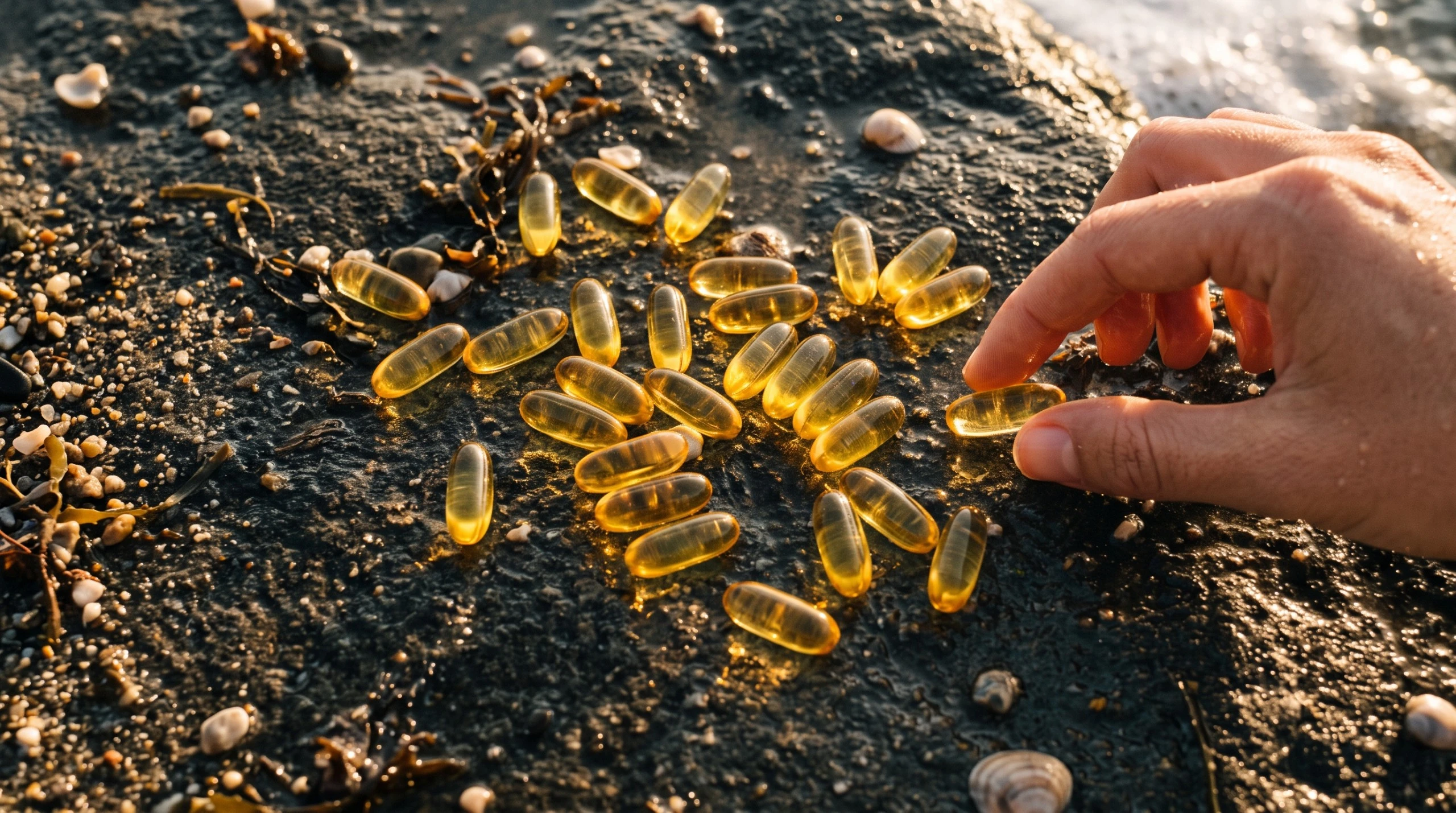
Pourquoi les oméga-3 sont-ils particulièrement efficaces contre la fatigue oculaire due à l'écran ?
Vous connaissez cette sensation vers deux ou trois heures de l'après-midi. Vous mettez à jour un tableau, répondez à un autre e-mail ou parcourez les réseaux sociaux, quand soudain, vos yeux commencent à vous piquer. Vous clignez des yeux plus vite, le texte à l'écran devient légèrement flou et vous avez l'impression que quelqu'un vous a versé du sable fin sous les paupières.
Vous l'avez peut-être remarqué vous aussi en pharmacie ou sur une boutique en ligne : la vitamine C classique coûte quelques euros, tandis que, juste à côté, la même vitamine, qualifiée de « liposomale », coûte trois à quatre fois plus cher.
 Santé
Santé
Est-ce que cela vaut la peine de payer un supplément pour des vitamines liposomales ?
Vous l'avez peut-être remarqué vous aussi en pharmacie ou sur une boutique en ligne : la vitamine C classique coûte quelques euros, tandis que, juste à côté, la même vitamine, qualifiée de « liposomale », coûte trois à quatre fois plus cher.
Presque tout le monde connaît cette scène : une brosse pleine après un seul passage, des mèches de cheveux dans le siphon de la douche et cette sensation désagréable au creux de l'estomac lorsqu'on se coiffe devant le miroir.
 Beauté et peau
Pourquoi vos cheveux tombent-ils de manière excessive ? 5 signaux discrets de votre corps indiquant que vous manquez de micronutriments essentiels
Presque tout le monde connaît cette scène : une brosse pleine après un seul passage, des mèches de cheveux dans le siphon de la douche et cette sensation désagréable au creux de l'estomac lorsqu'on se coiffe devant le miroir.
Dans le but de prendre le plus grand soin de notre santé, nous avons souvent tendance à recourir à toutes sortes de combinaisons de gélules et de vitamines. Bien que l'intention soit louable, notre corps ne fonctionne pas comme un récipient dans lequel il suffit de verser n'importe quoi à n'importe quel moment. De nombreuses vitamines empruntent les mêmes voies d'absorption, se lient aux mêmes récepteurs ou modifient directement le métabolisme des autres.
 Santé
Santé
Mauvaises combinaisons de compléments alimentaires : ne prenez jamais ces substances en même temps
Dans le but de prendre le plus grand soin de notre santé, nous avons souvent tendance à recourir à toutes sortes de combinaisons de gélules et de vitamines. Bien que l'intention soit louable, notre corps ne fonctionne pas comme un récipient dans lequel il suffit de verser n'importe quoi à n'importe quel moment. De nombreuses vitamines empruntent les mêmes voies d'absorption, se lient aux mêmes récepteurs ou modifient directement le métabolisme des autres.
Dès que la température avoisine zéro et que l'on entend les premiers toussotements au bureau ou dans le bus, le même rituel se met en place dans de nombreux foyers : un verre d'eau avec une pastille effervescente de vitamine C et une dose aléatoire de gouttes de vitamine D. Nous avons pris l'habitude de les considérer comme un extincteur : quelque chose que l'on sort du placard dans la panique dès que l'on sent une irritation dans la gorge. Mais la science et la biologie du corps humain fonctionnent différemment du marketing des laboratoires pharmaceutiques. En effet, pour ces deux vitamines, nous payons souvent pour un faux sentiment de sécurité.
 Santé
Santé
Mythes et réalités sur les vitamines C et D : quand renforcent-elles réellement le système immunitaire et quand leur effet ne se fait-il pas sentir ?
Dès que la température avoisine zéro et que l'on entend les premiers toussotements au bureau ou dans le bus, le même rituel se met en place dans de nombreux foyers : un verre d'eau avec une pastille effervescente de vitamine C et une dose aléatoire de gouttes de vitamine D. Nous avons pris l'habitude de les considérer comme un extincteur : quelque chose que l'on sort du placard dans la panique dès que l'on sent une irritation dans la gorge. Mais la science et la biologie du corps humain fonctionnent différemment du marketing des laboratoires pharmaceutiques. En effet, pour ces deux vitamines, nous payons souvent pour un faux sentiment de sécurité.
Nez bouché, éternuements inexpliqués, taches rouges sur la peau ou crampes abdominales après un déjeuner en apparence anodin. Si ces symptômes vous sont familiers, vous avez probablement déjà entendu parler d'allergie saisonnière ou d'intolérance à l'histamine (HIT).
 Immunité et vitalité
L'histamine vous pose-t-elle problème ? Ces substances naturelles apaisent l'organisme
Nez bouché, éternuements inexpliqués, taches rouges sur la peau ou crampes abdominales après un déjeuner en apparence anodin. Si ces symptômes vous sont familiers, vous avez probablement déjà entendu parler d'allergie saisonnière ou d'intolérance à l'histamine (HIT).


















 Commerce de détail